Understanding Trigger Point Therapy
Trigger point therapy is a specialized bodywork technique designed to target tight knots within muscle tissue. These “trigger points” can cause localized pain or even refer discomfort to other areas of the body. Often developed due to stress, overuse, injury, or poor posture, trigger points restrict movement and reduce overall comfort.
In-home trigger point therapy brings precision relief directly to your doorstep, allowing you to receive focused muscular treatment without traveling to a clinic. Services like 출장안마 are making it easier than ever to access professional bodywork in a comfortable and private setting.
What Causes Trigger Points?
Trigger points typically form when muscle fibers remain contracted for extended periods. Common causes include:
- Long hours at a desk
- Repetitive movements
- Intense workouts without recovery
- Emotional stress
- Poor sleeping posture
When untreated, these tight spots can limit flexibility, reduce circulation, and create chronic discomfort.
How In-Home Trigger Point Therapy Works
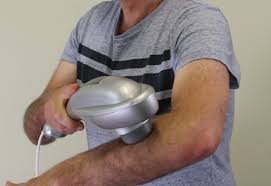
A professional therapist begins with a short assessment to identify areas of pain, stiffness, and restricted mobility. Using precise finger pressure, knuckles, elbows, or specialized tools, the therapist applies sustained pressure directly to the trigger point.
This focused compression helps:
- Release muscle tension
- Improve blood flow
- Reduce referred pain
- Restore range of motion
Unlike relaxation massage, trigger point therapy is highly targeted. The pressure may feel intense at times, but it is controlled and therapeutic.
Benefits of Receiving Therapy at Home
Choosing in-home sessions provides several advantages:
Comfort and Familiarity
Being in your own space naturally lowers stress levels, helping muscles relax more quickly.
No Travel Strain
If you are already experiencing pain, commuting can worsen discomfort. At-home therapy removes that burden.
Personalized Environment
Lighting, temperature, and setup can be customized for maximum relaxation and effectiveness.
Better Consistency
When therapy is convenient, it becomes easier to maintain regular sessions for long-term results.
Conditions That Respond Well to Trigger Point Therapy
This specialized technique is particularly helpful for:
- Neck and shoulder tension
- Lower back pain
- Tension headaches
- Sciatic discomfort
- Sports-related tightness
- Postural strain
Many clients report noticeable improvement after just one session, with cumulative benefits over time.
The Precision Difference
What makes trigger point therapy unique is its accuracy. Instead of working broadly across large muscle groups, the therapist pinpoints exact areas causing dysfunction.
This precision approach:
- Speeds up recovery
- Prevents pain from spreading
- Improves muscular coordination
- Enhances athletic performance
- Reduces reliance on pain medications
When delivered by a trained professional, it becomes a powerful tool for restoring balance to the musculoskeletal system.
Aftercare for Maximum Results
To maintain benefits after your session:
- Drink plenty of water
- Perform gentle stretching
- Avoid intense activity for 24 hours
- Use heat therapy if recommended
- Maintain good posture
Following these simple steps supports muscle recovery and prolongs relief.
Safety and Professional Standards
Trigger point therapy should always be performed by a trained practitioner who understands anatomy and pressure application. Individuals with certain medical conditions, such as blood clotting disorders or recent surgeries, should consult a healthcare provider before booking a session.
Communication during treatment is essential. The pressure should be therapeutic, not overwhelming. A skilled therapist adjusts intensity according to your comfort level.
Final Thoughts
In-home trigger point therapy combines expert precision with the comfort of your own environment. By directly addressing the root cause of muscular pain, this method provides focused, effective relief.
With professional services now delivered conveniently at home, managing chronic tension and restoring mobility has never been more accessible. When targeted therapy meets personalized care, true muscular recovery becomes achievable—right where you are.